Editor's Note: In modern green building design, indoor air quality (IAQ) is just as critical as fire resistance and thermal efficiency. This guide explores why VOC certification and testing are essential benchmarks for high-performance Mineral Wool insulation.
Uncompromising Standards: Why Mineral Wool Insulation Requires VOC Certification & Testing
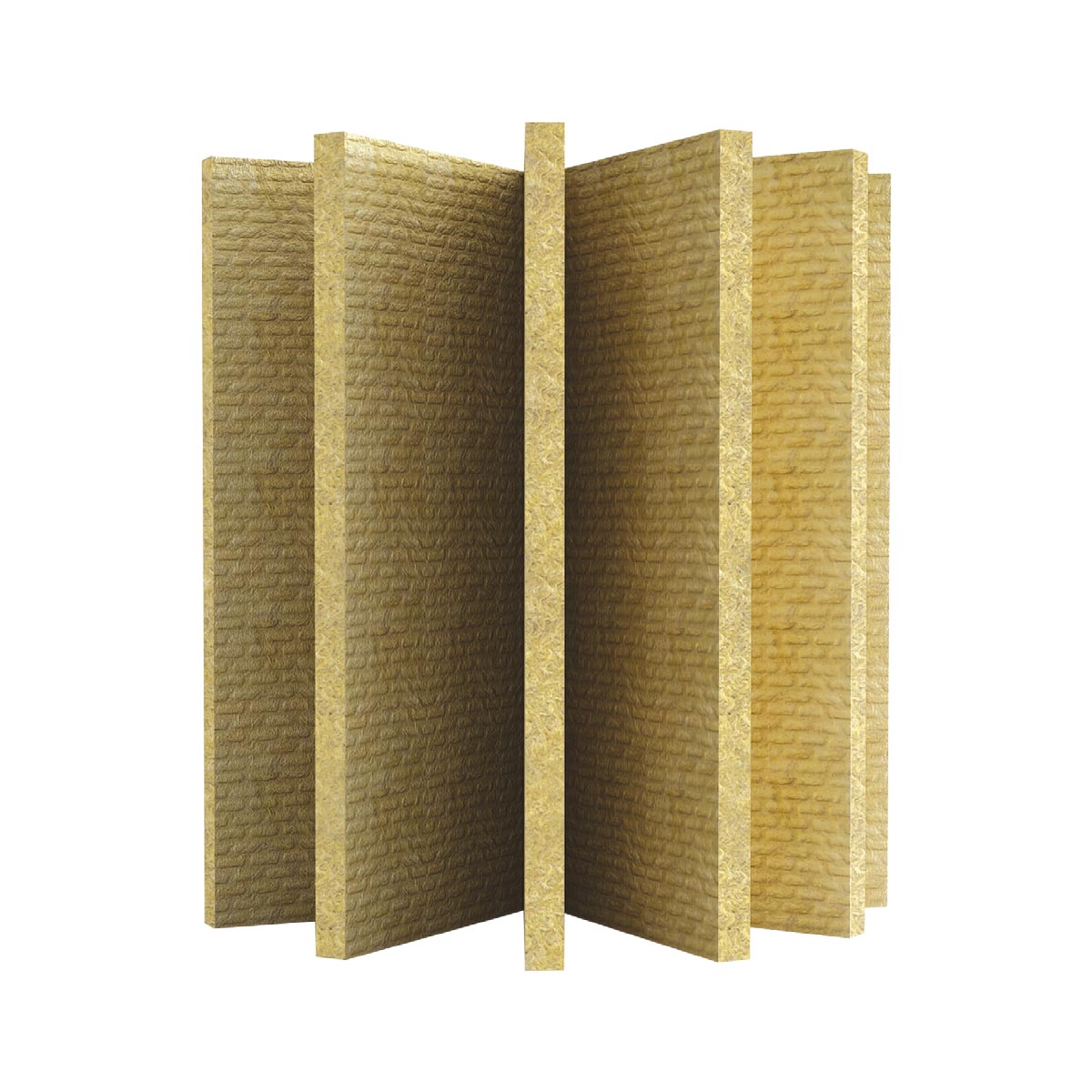
High-performance Mineral Wool insulation boards designed for sustainable and safe modern construction.
In modern green buildings, cleanrooms, data centers, and high-end acoustic spaces, the environmental performance and indoor air quality (IAQ) of building materials are under intense scrutiny. As a widely utilized thermal insulation and sound-absorption material, Mineral Wool is favored for its exceptional fire resistance, thermal performance, and acoustic properties. However, premium mineral wool must go beyond basic physical specs—it also requires strict VOC (Volatile Organic Compounds) certification and testing.
This comprehensive guide dives into why VOC testing is vital for mineral wool, the key international standards to look for, and how global buyers can accurately evaluate third-party test reports.
1. What is VOC Emission in Mineral Wool?
Mineral wool is primarily manufactured from natural inorganic rocks like basalt and dolomite melted and spun into fibers. While the core material is inorganic and inherently free of organic volatiles, industrial manufacturing processes often incorporate thermosetting resin binders (such as phenolic resin), water repellents, and dust suppression oils to ensure structural integrity and hydrophobicity.
During the initial curing stage or under elevated operating temperatures (e.g., industrial piping, generator enclosures, high-temperature flues), these organic additives may release trace volatile organic compounds. Exceeding VOC limits can cause unpleasant odors and affect the respiratory health of installers and occupants in enclosed environments.
2. Why Obtain Authoritative VOC Certification?
- Safeguarding Indoor Air Quality (IAQ): Modern buildings emphasize airtightness. Controlling pollution sources prevents "Sick Building Syndrome." Low-VOC mineral wool ensures a healthy indoor environment that complies with stringent green building codes.
- Meeting Global Green Building Standards: High-end international projects and rating systems—such as LEED, BREEAM, WELL, and Europe’s GEV-EMICODE or Eurofins Indoor Air Comfort—impose rigorous chemical emission thresholds.
- Enhancing Brand Trust & Market Competitiveness: For global B2B trade and large-scale engineering projects, transparent third-party VOC test reports act as a vital passport to overcome green trade barriers and win overseas clients.
3. Key Testing Parameters & Standards for Mineral Wool
Professional laboratories utilize advanced analytical methods like Gas Chromatography-Mass Spectrometry (GC-MS) under simulated environmental conditions. Key metrics include:
- TVOC (Total Volatile Organic Compounds): The primary indicator measuring overall organic emission levels.
- Formaldehyde & Aromatic Hydrocarbons: Evaluating residual free formaldehyde, benzene, toluene, and xylene from binder curing.
- Odor Test: Sensory evaluations by expert panels to ensure no pungent odors are released in confined spaces.
Common International Benchmarks to Look For:
- Eurofins Indoor Air Comfort (IAC / IAC Gold): Among the world's most stringent standards for building material emissions.
- GREENGUARD Certification: Globally recognized standard for low-emitting building materials.
4. How to Read a Qualified Mineral Wool VOC Test Report
When reviewing reports from accredited third-party labs (e.g., SGS, TÜV, Eurofins), focus on these core dimensions:
- Testing Standards & Chamber Conditions: Verify if standard test chamber methods (such as ISO 16000 or ASTM D5116) were applied.
- Emission Rates / Concentration Values: Compare measured values against maximum limits to ensure TVOC and formaldehyde levels sit well below thresholds.
- Validity & Sample Representativeness: Check the issuance date and ensure the sample name matches the specific mineral wool board, blanket, or pipe section being supplied.
Conclusion
As global demand for sustainability and human health grows, environmental performance has become a dividing line for high-end mineral wool products. Choosing strictly certified, low-VOC mineral wool not only ensures project quality but also helps create a safe, healthy, and sustainable modern environment.
Looking for High-Performance, Low-VOC Mineral Wool?
Explore our premium specifications, acoustic solutions, and request custom third-party test reports for your next project.
Contact Our Technical Team